Trovex at IHEEM 2026, Stand G24
Why choose Hygidoor?
Infection prevention
Infection prevention
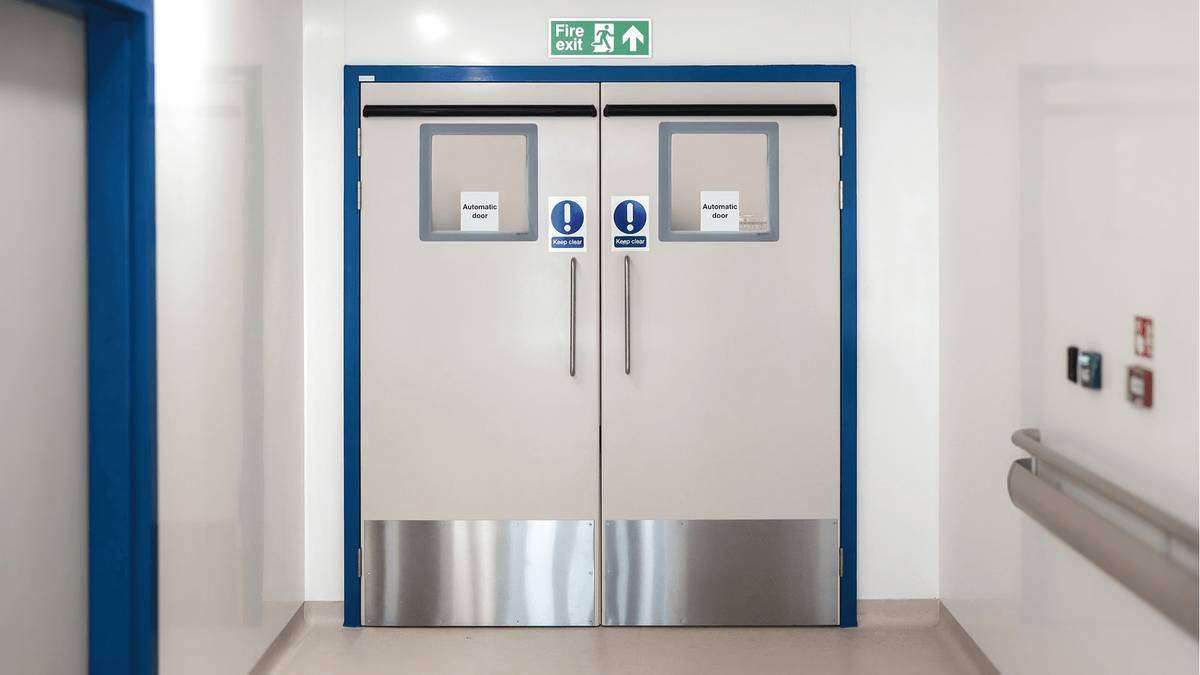
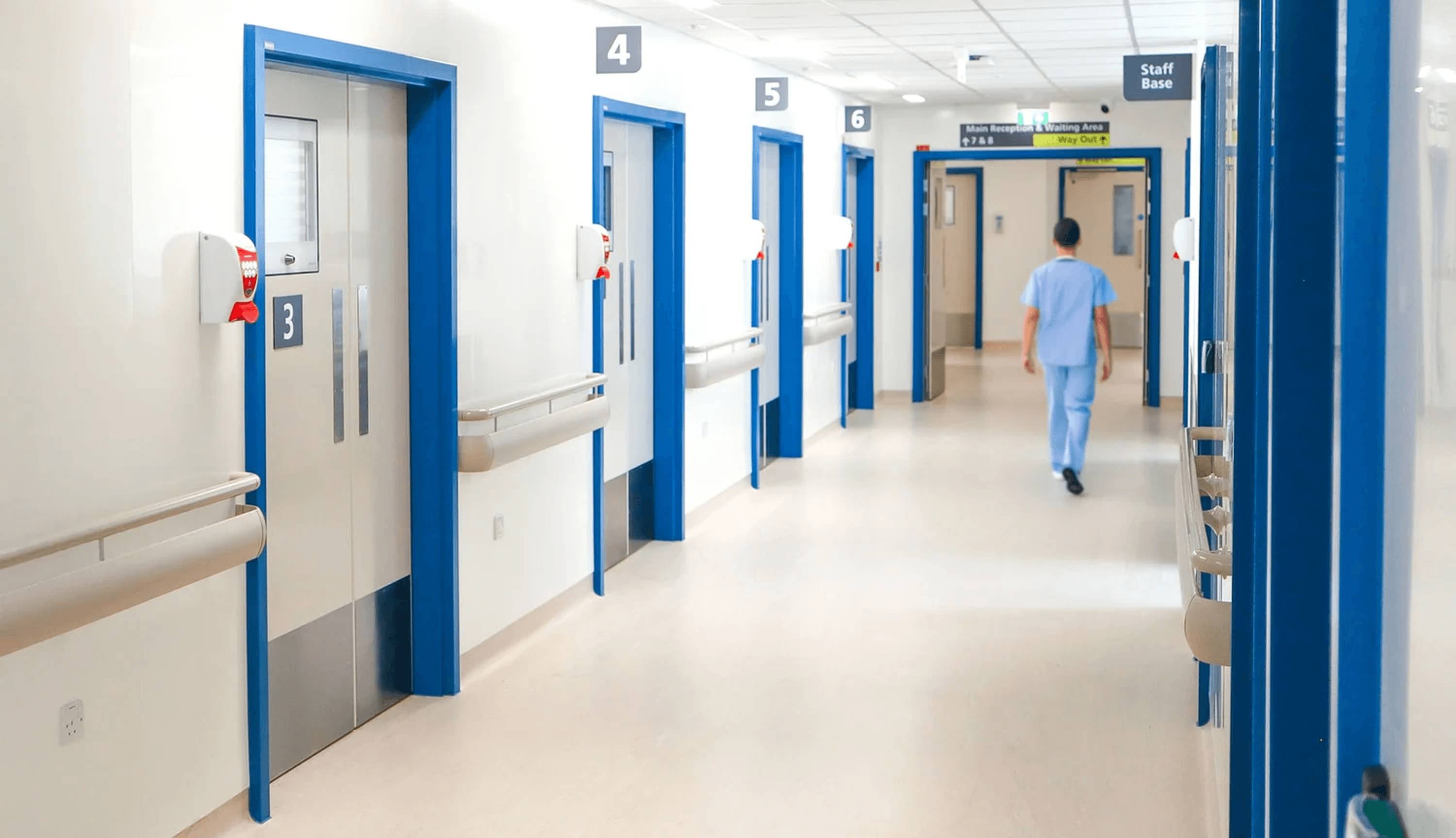
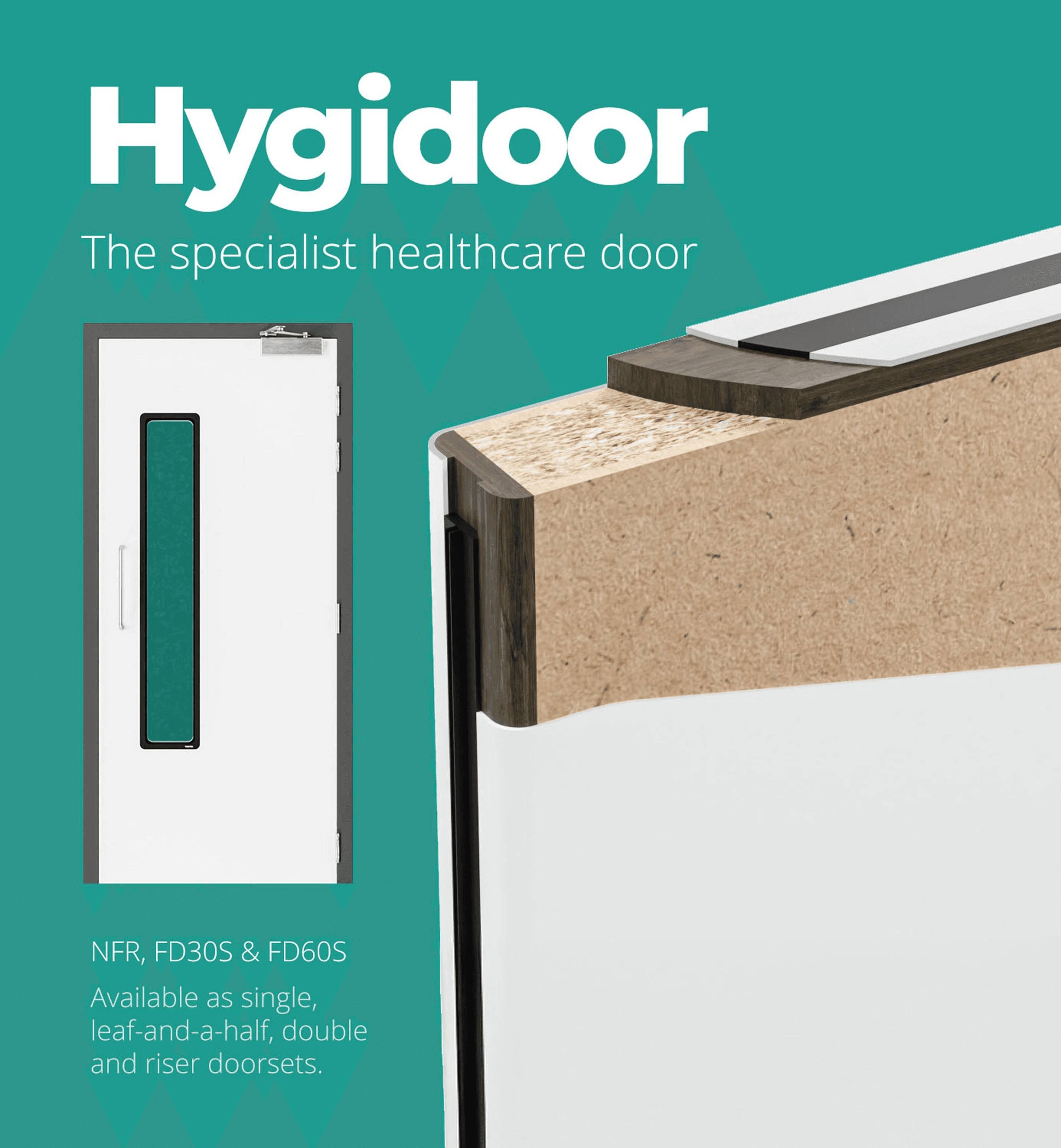
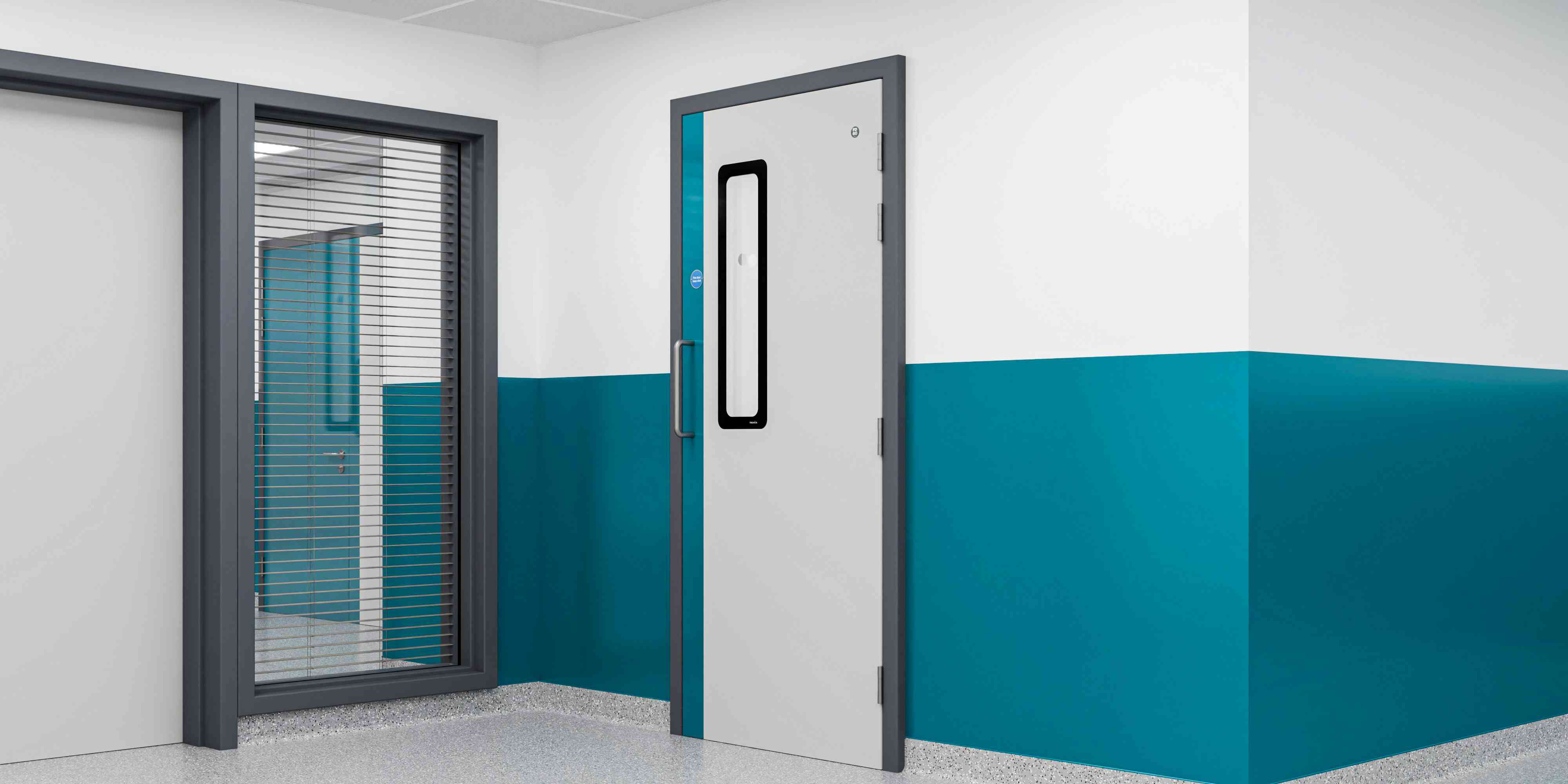
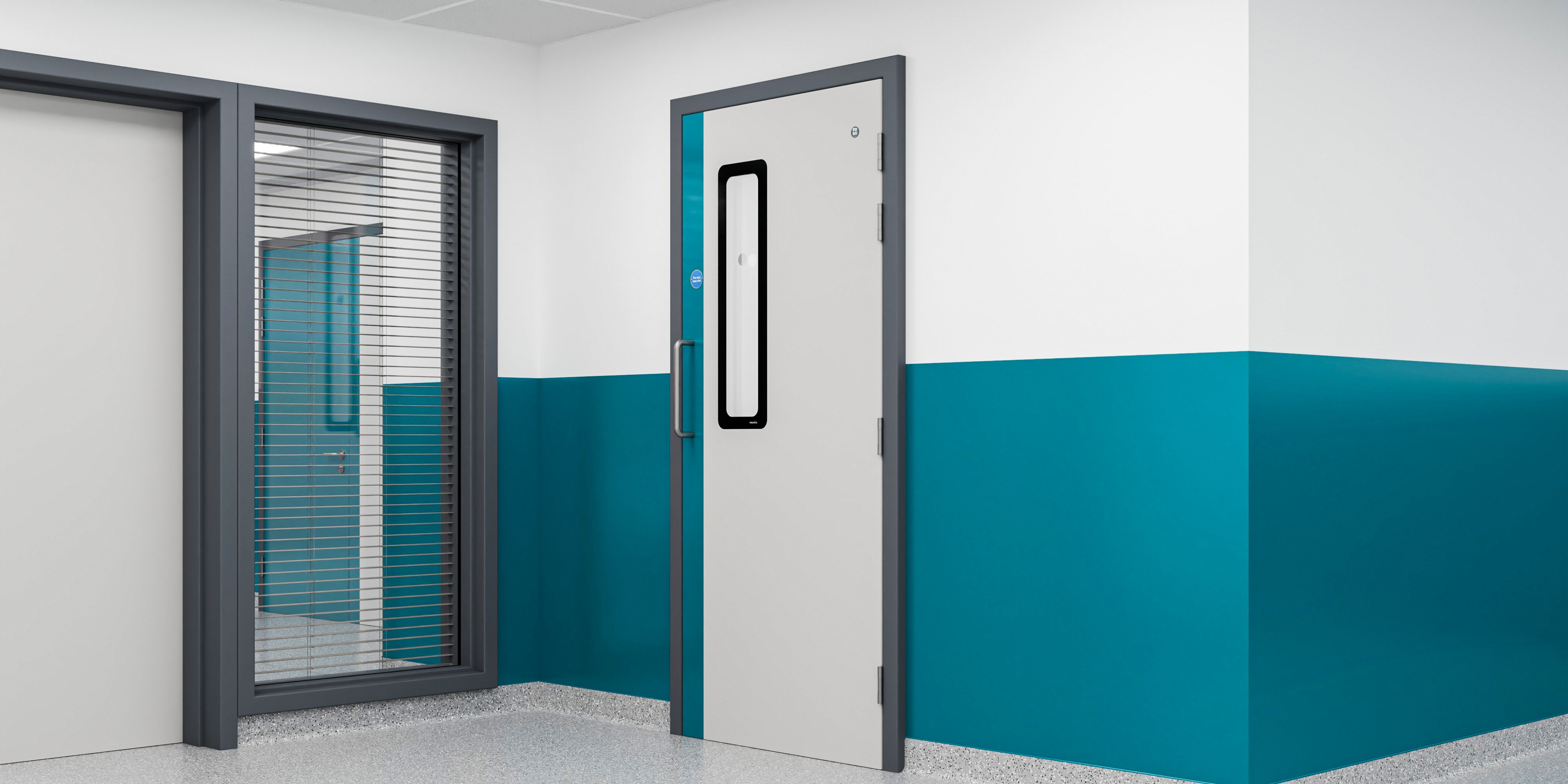
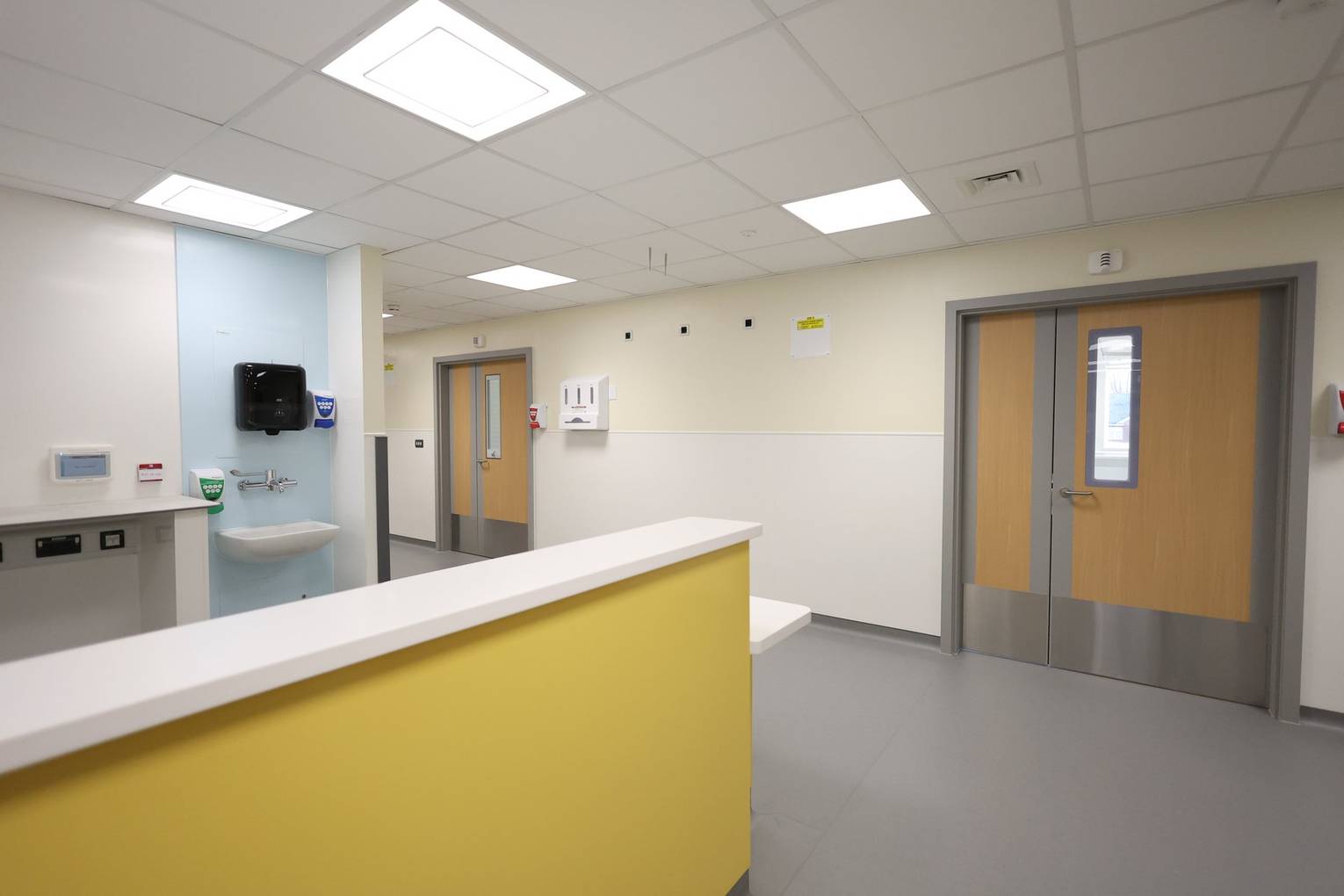
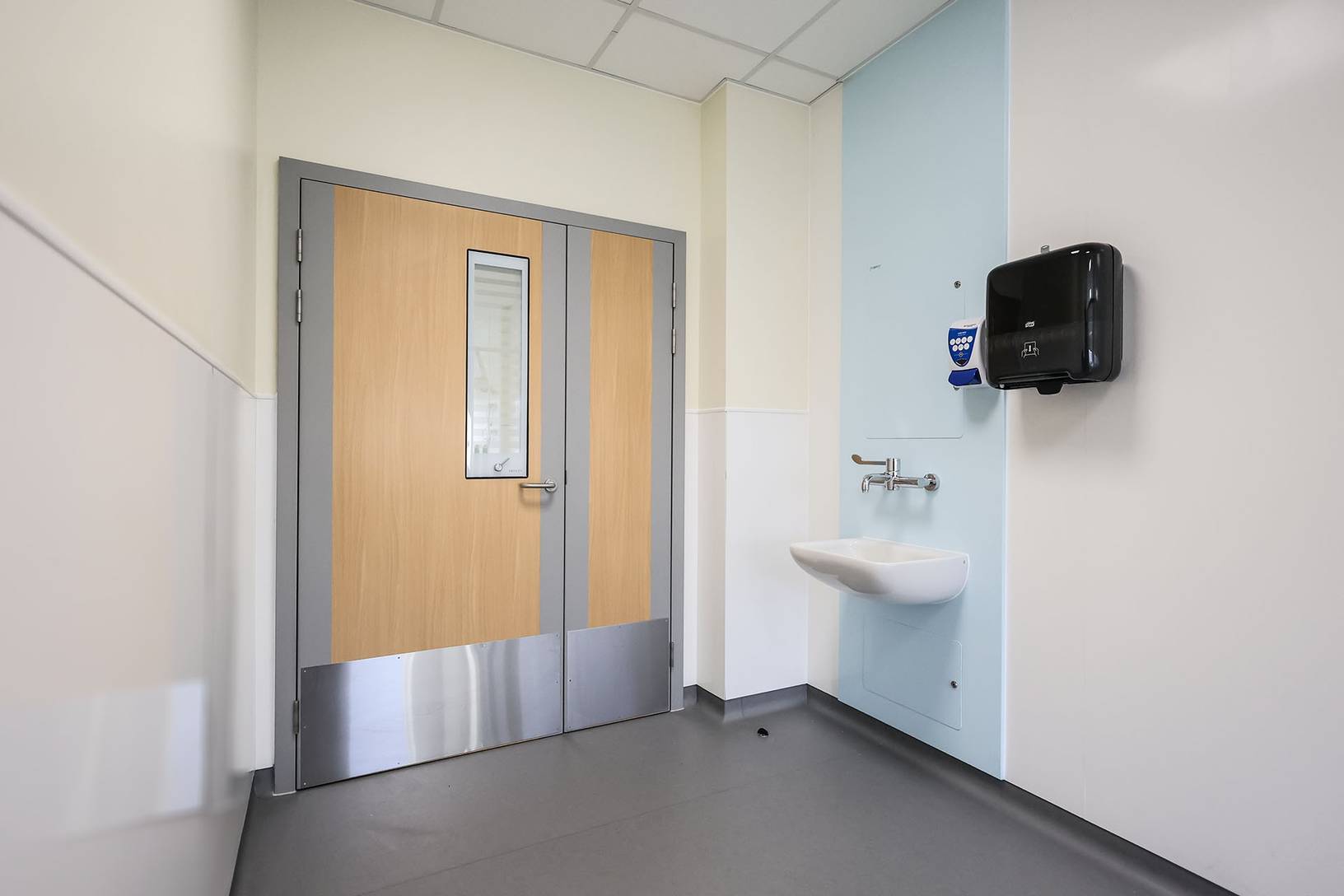
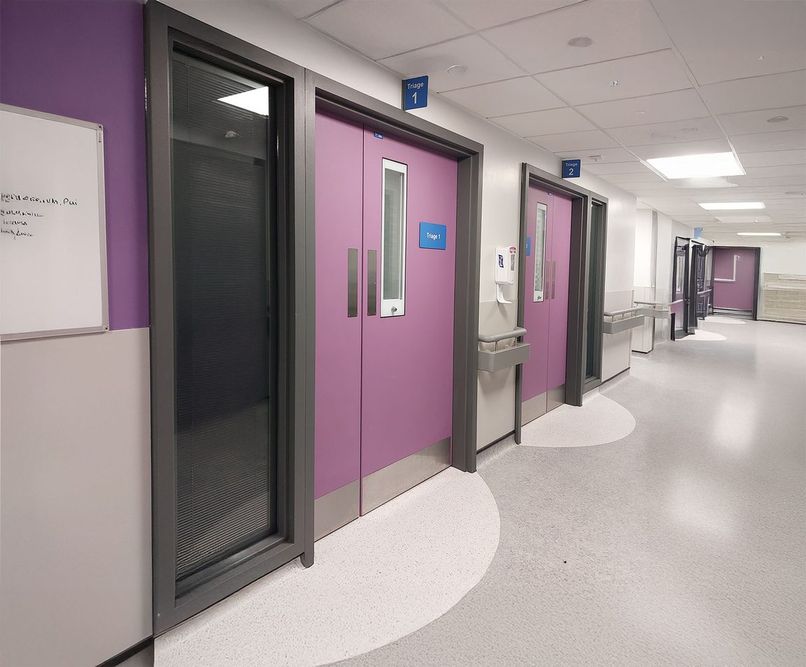
Wrapped in hygienic PVC with flush vision panels, Hygidoor makes cleaning easier.
Highly configurable
Highly configurable
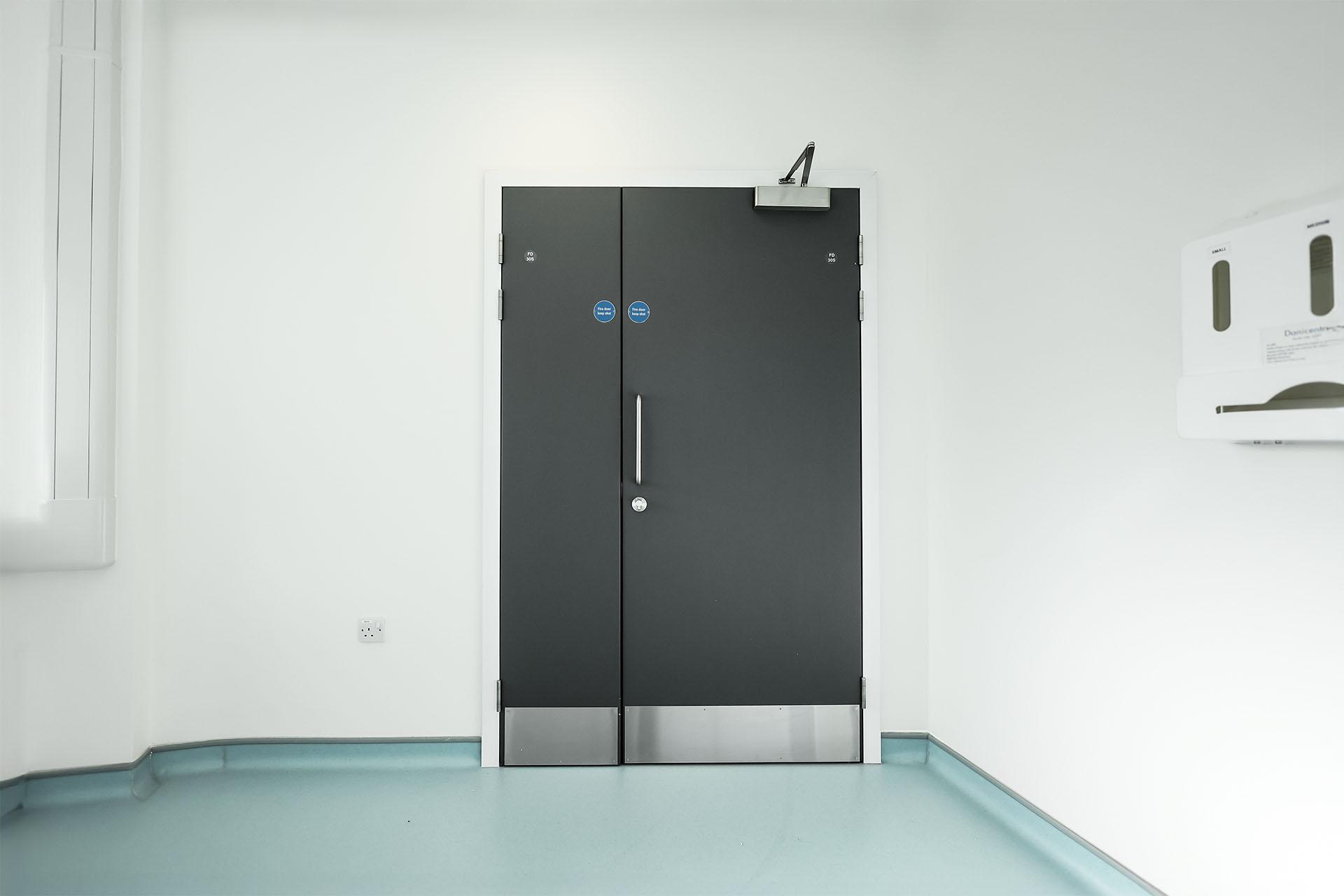
Hygidoor meets fire-safety needs, available in FD30 and FD60 fire-rated options.
PVC finishes
PVC finishes
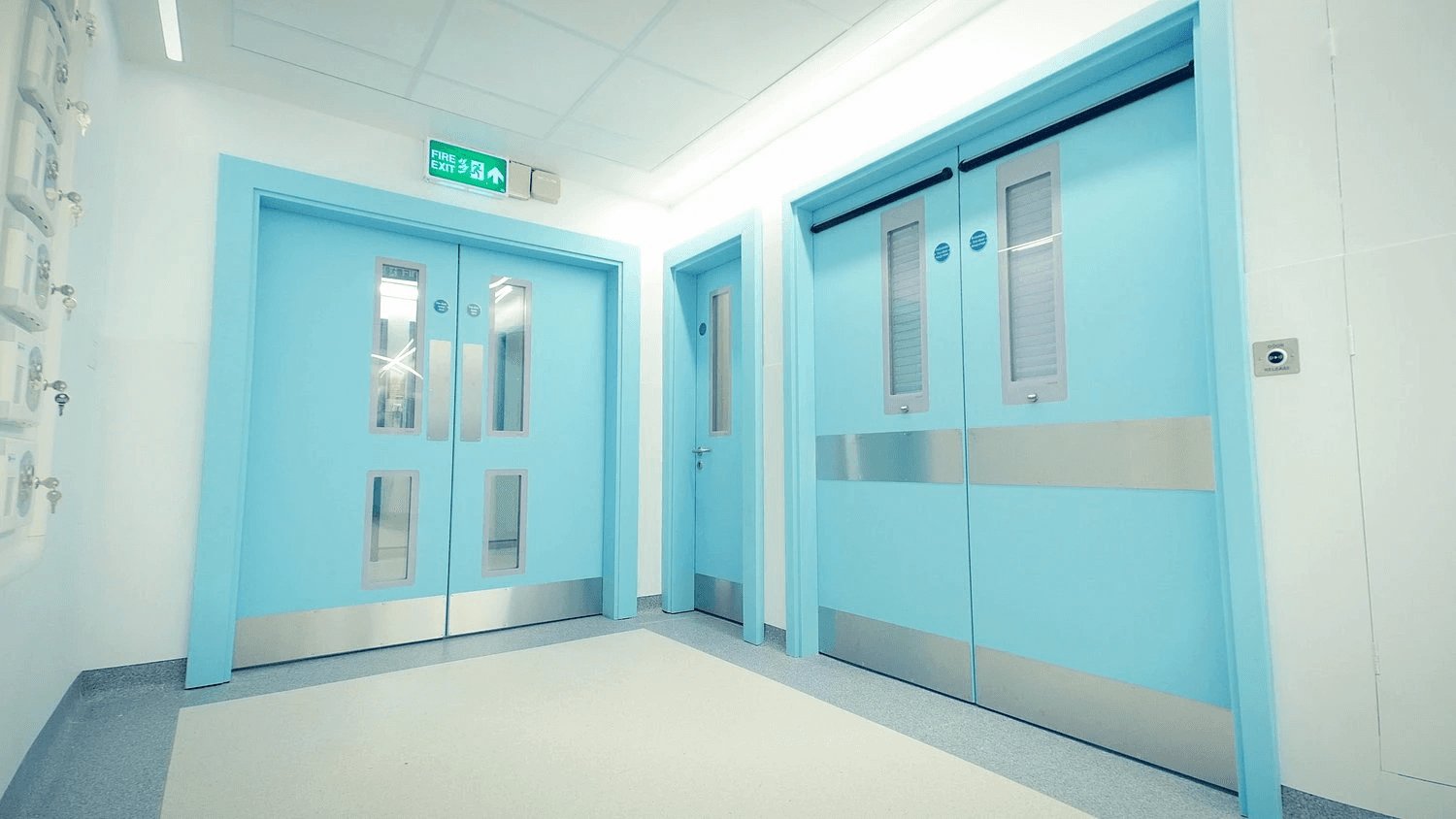
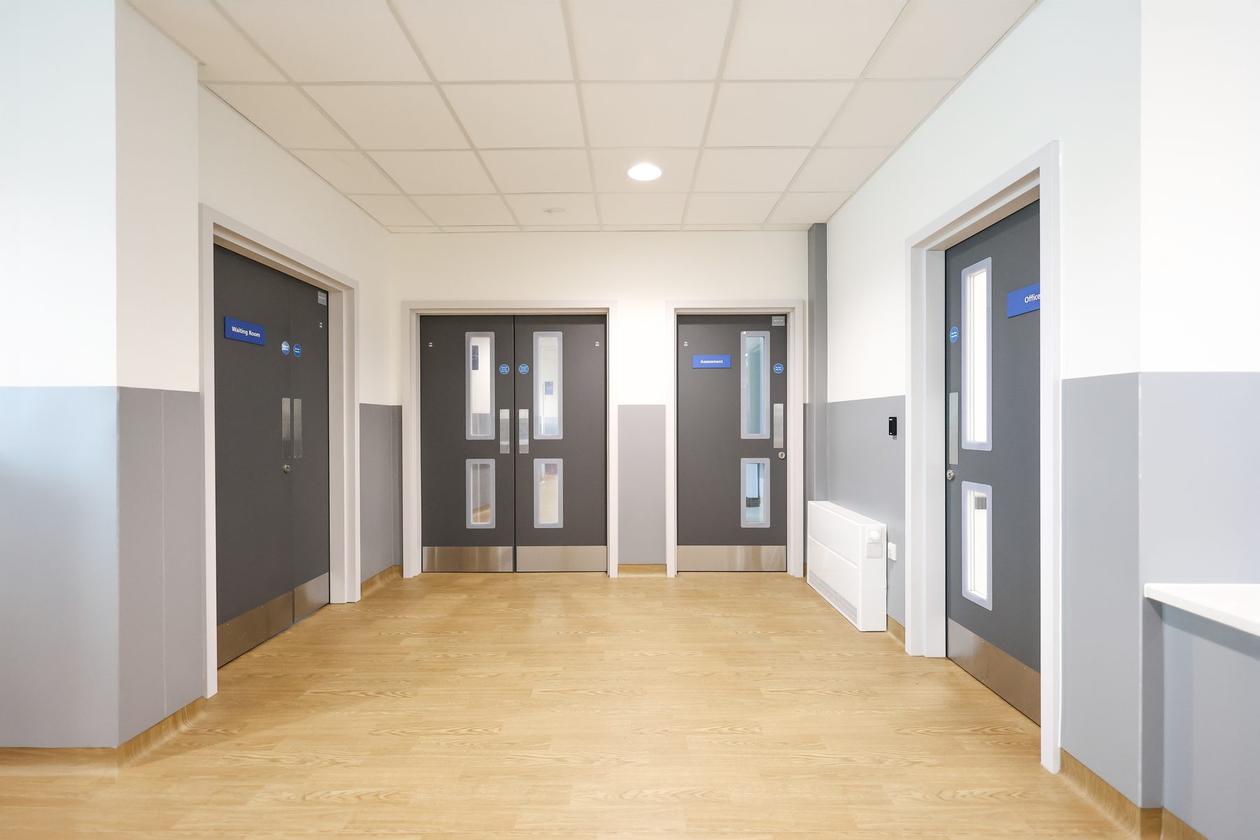
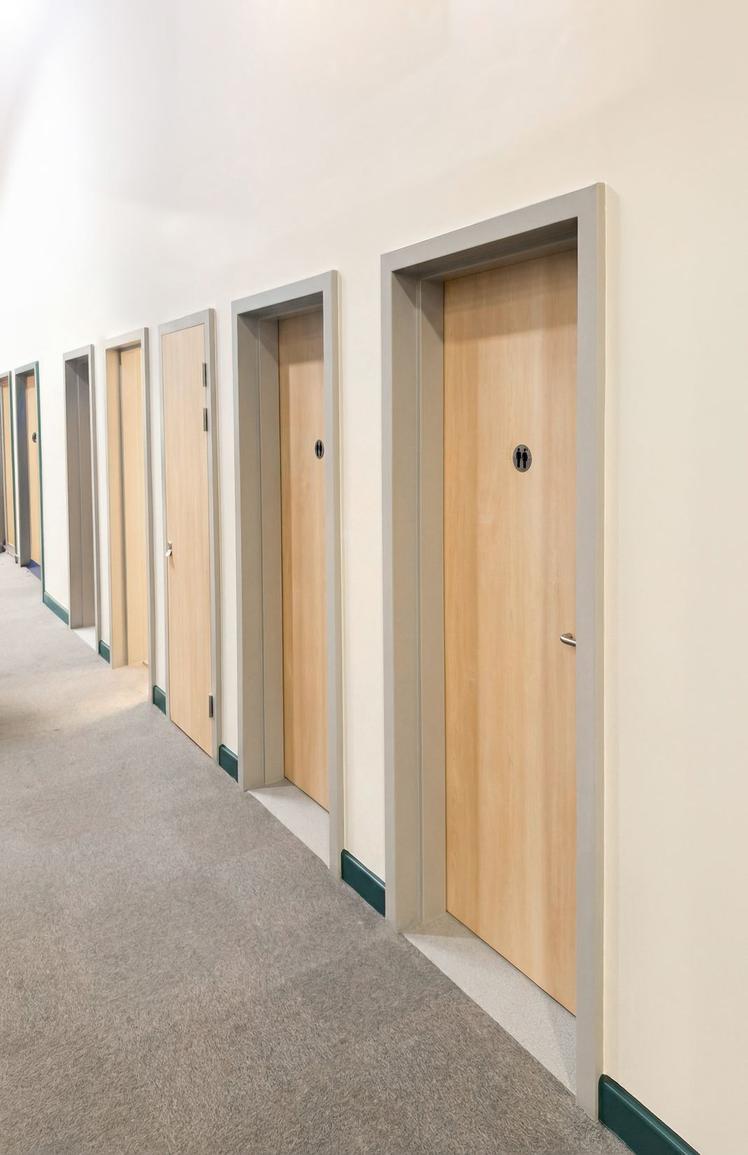
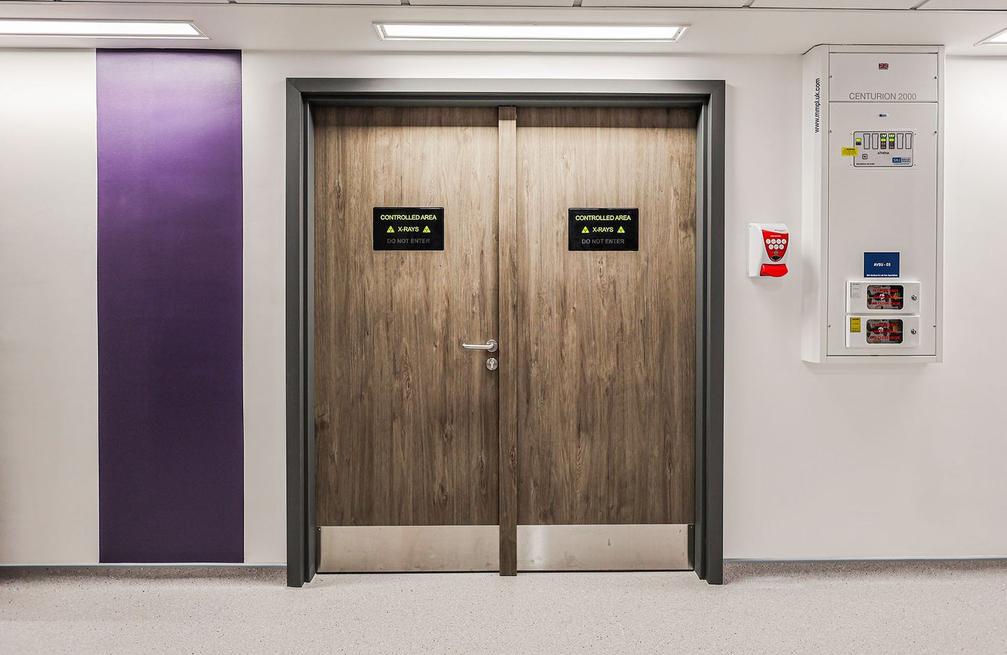
With 45+ colours and finishes, Hygidoor enhances the look and feel of any project.
Strong
Strong
Built with a severe duty core, Hygidoor endures heavy traffic and constant impact.
Quick installation
Quick installation
Delivered in as few as 11 parts, Hygidoor’s frame system installs quickly and easily.
Fast lead times
Fast lead times
Hygidoor lead times are industry leading and continue to improve with investment.
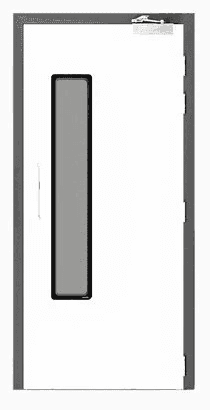
Hygidoor Single
Single-action.
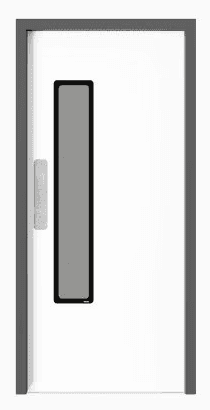
Hygidoor Single
Double-action.
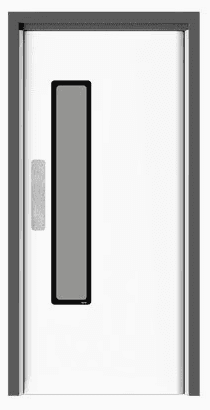
Hygidoor Single
Double-action.
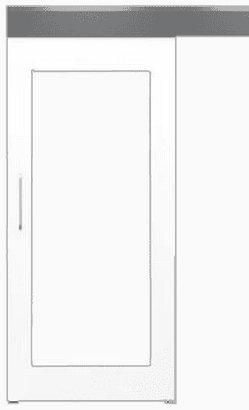
Hygidoor Single
Slide-action.
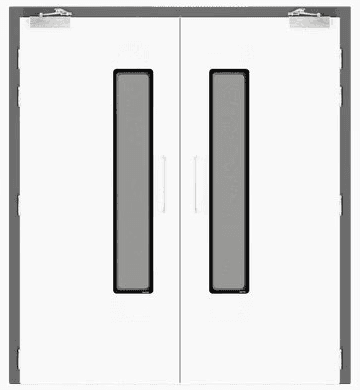
Hygidoor Double
Single-action.
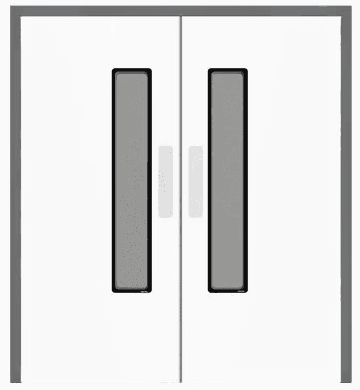
Hygidoor Double
Double-action.
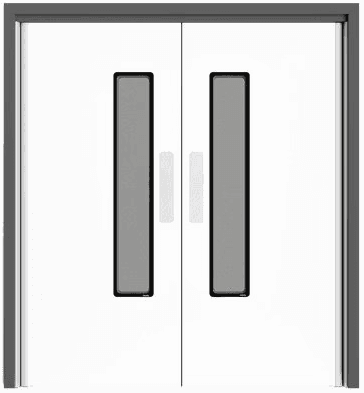
Hygidoor Double
Double-action.
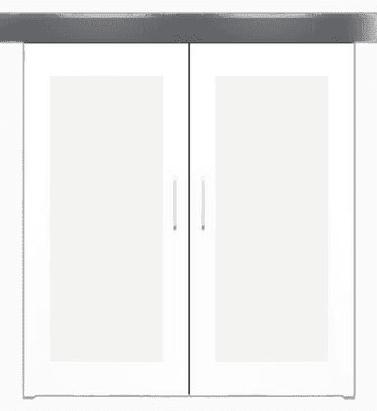
Hygidoor Double
Slide-action.
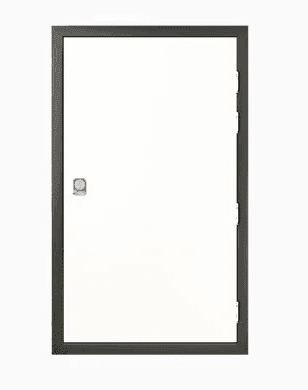
Hygidoor Riser
Single-action.
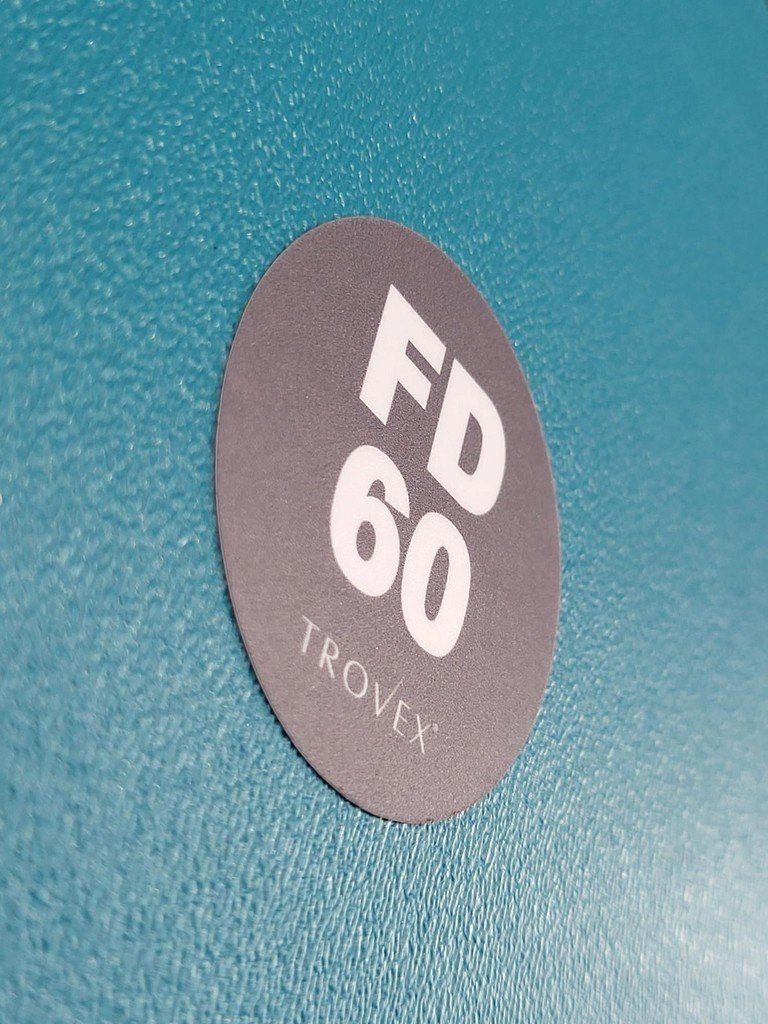
Fire-rated door sets
At the core of every Hygidoor is a fire-tested, high-density particleboard for strength and safety. Triple-glazed vision panels feature a fire-resistant centre, maintaining integrity even if outer panes are damaged.
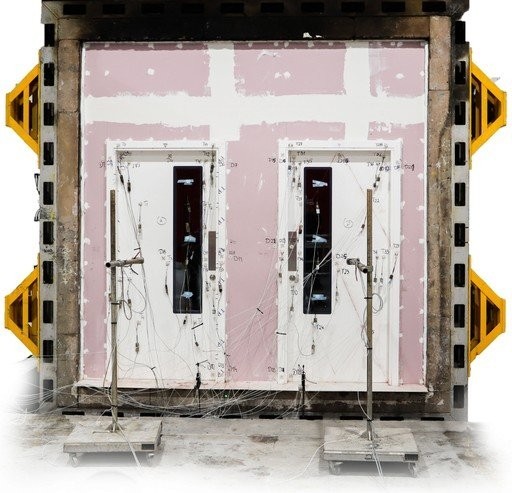
Primary testing
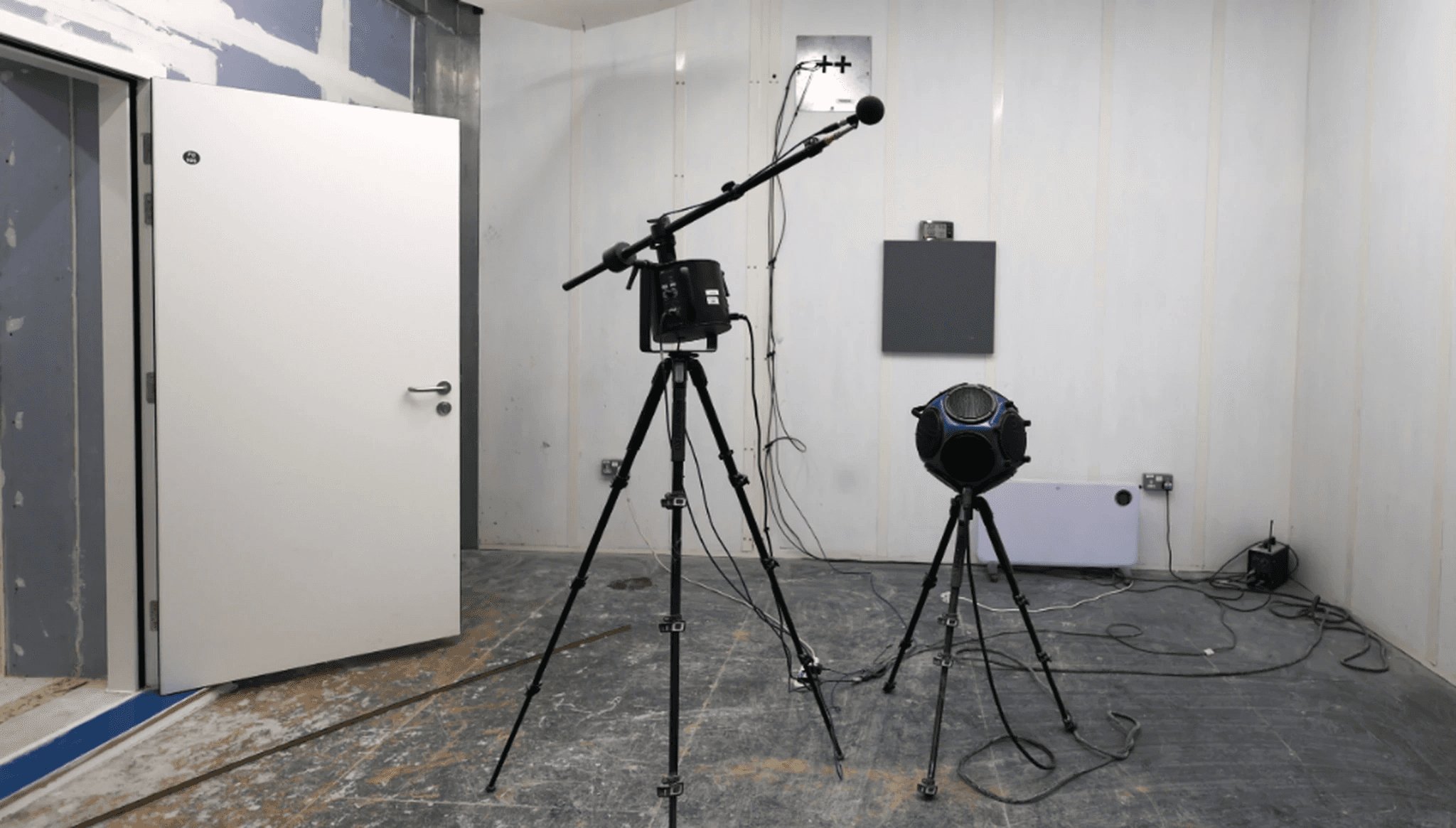
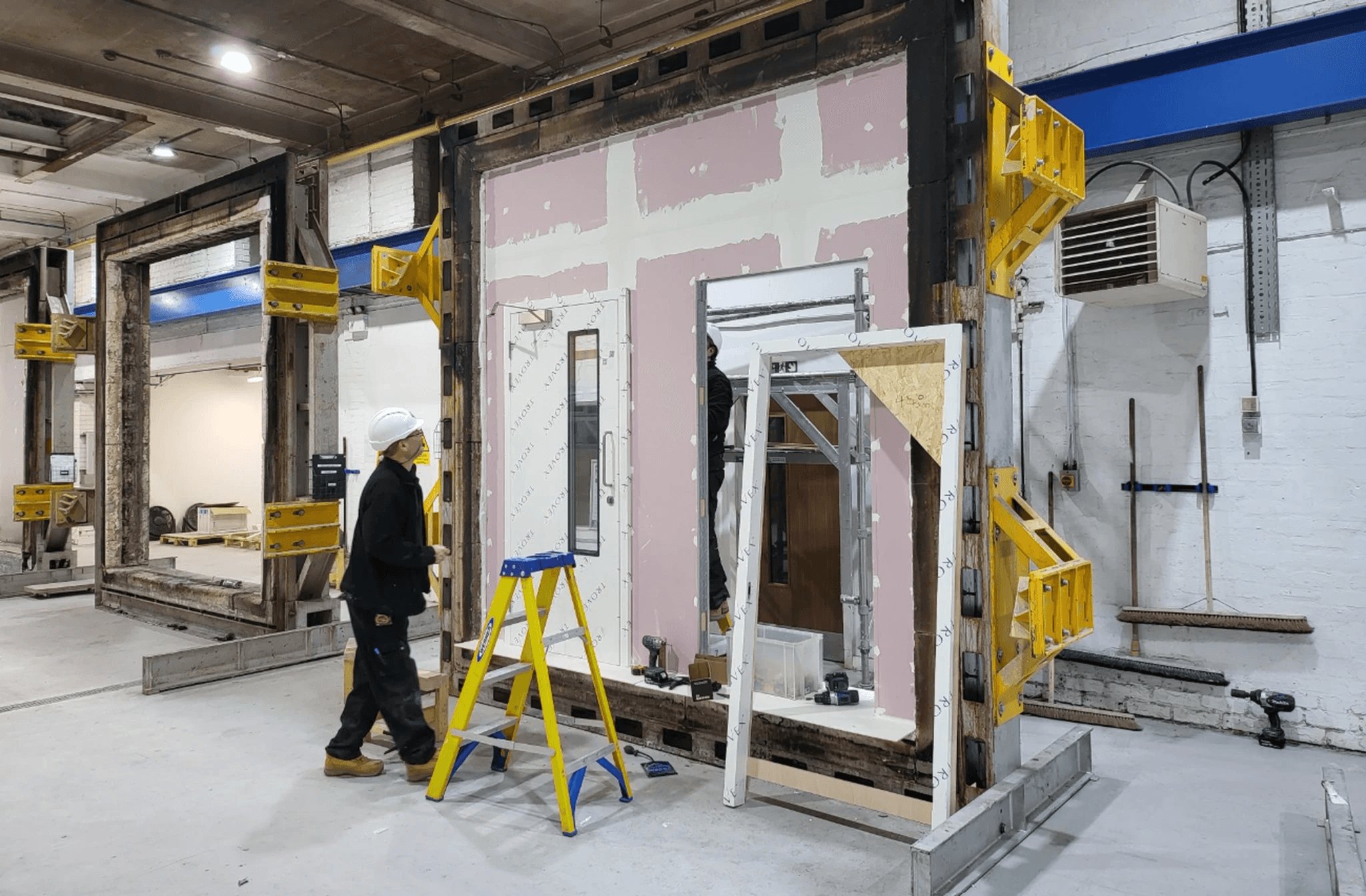
Trovex’s R&D team engineers high-performance systems like Hygidoor for demanding healthcare settings, with fire safety at the core. Every configuration is rigorously fire-tested, and production models are built to match tested performance proven in real-world conditions.

Made in the UK
Trovex’s manufacturing team delivers reliable, high-performance systems that meet strict quality and fire certification standards. All products are made in-house for full quality control, with annual IFC audits confirming consistent, compliant results.

UKTC Ensure certified
Hygidoor is independently certified through UKTC Ensure, providing verified fire-performance documentation and traceable product information.
Learn more
Hygidoor & Hygiscreen
A highly configurable, fire-rated PVC encapsulated door and internal window system designed to work together across high-traffic healthcare estates, they have been designed to meet the demands of IPC, fire-safety and high-traffic wear-and-tear.
Discover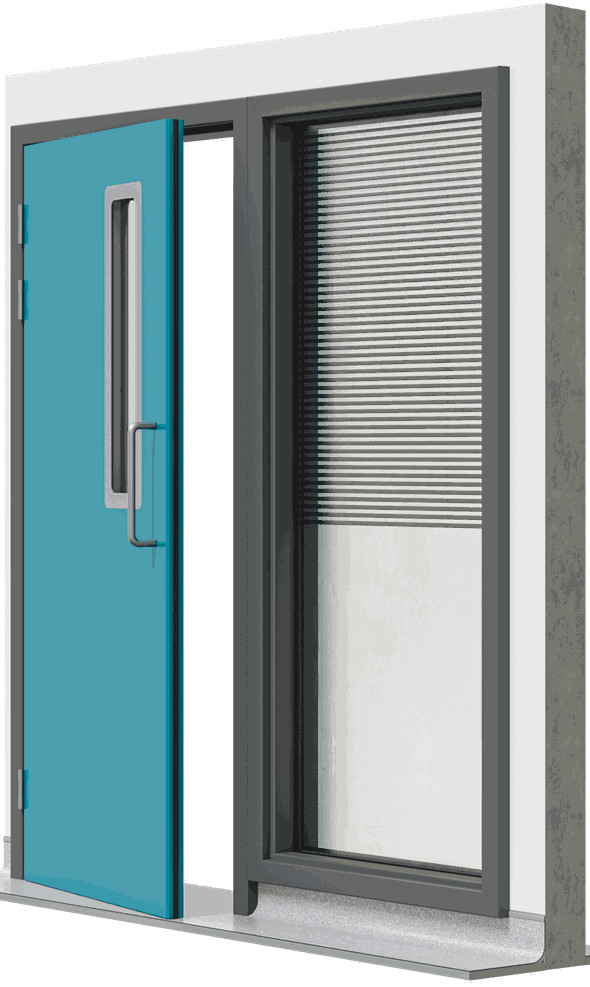
Hygidoor & Hygiscreen
A highly configurable, fire-rated PVC encapsulated door and internal window system designed to work together across high-traffic healthcare estates, they have been designed to meet the demands of IPC, fire-safety and high-traffic wear-and-tear.
DiscoverHygidoor & Hygiscreen
A highly configurable, fire-rated PVC encapsulated door and internal window system designed to work together across high-traffic healthcare estates, they have been designed to meet the demands of IPC, fire-safety and high-traffic wear-and-tear.
Discover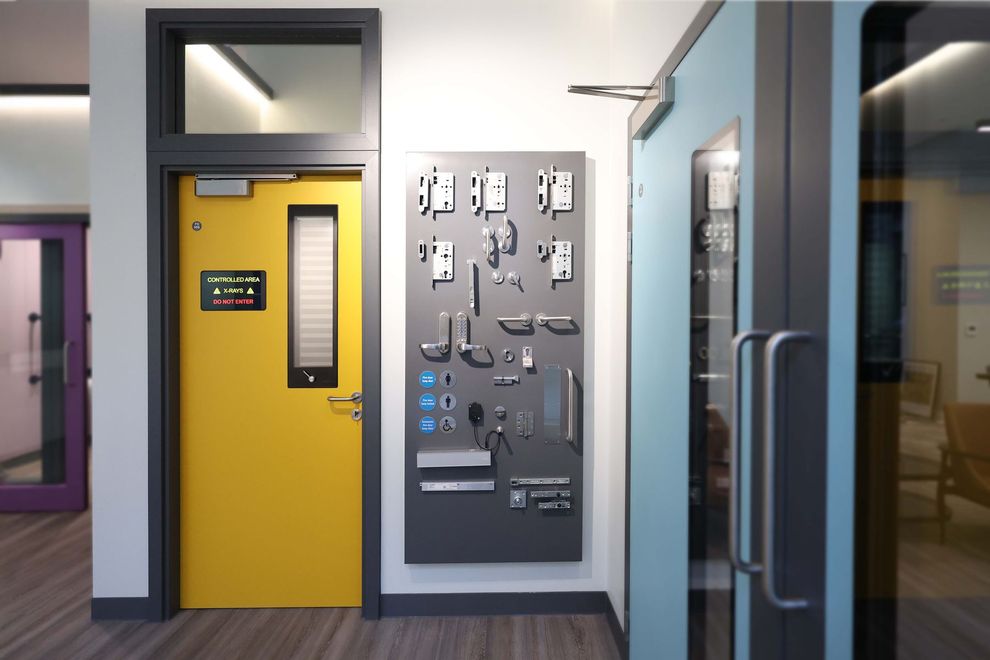
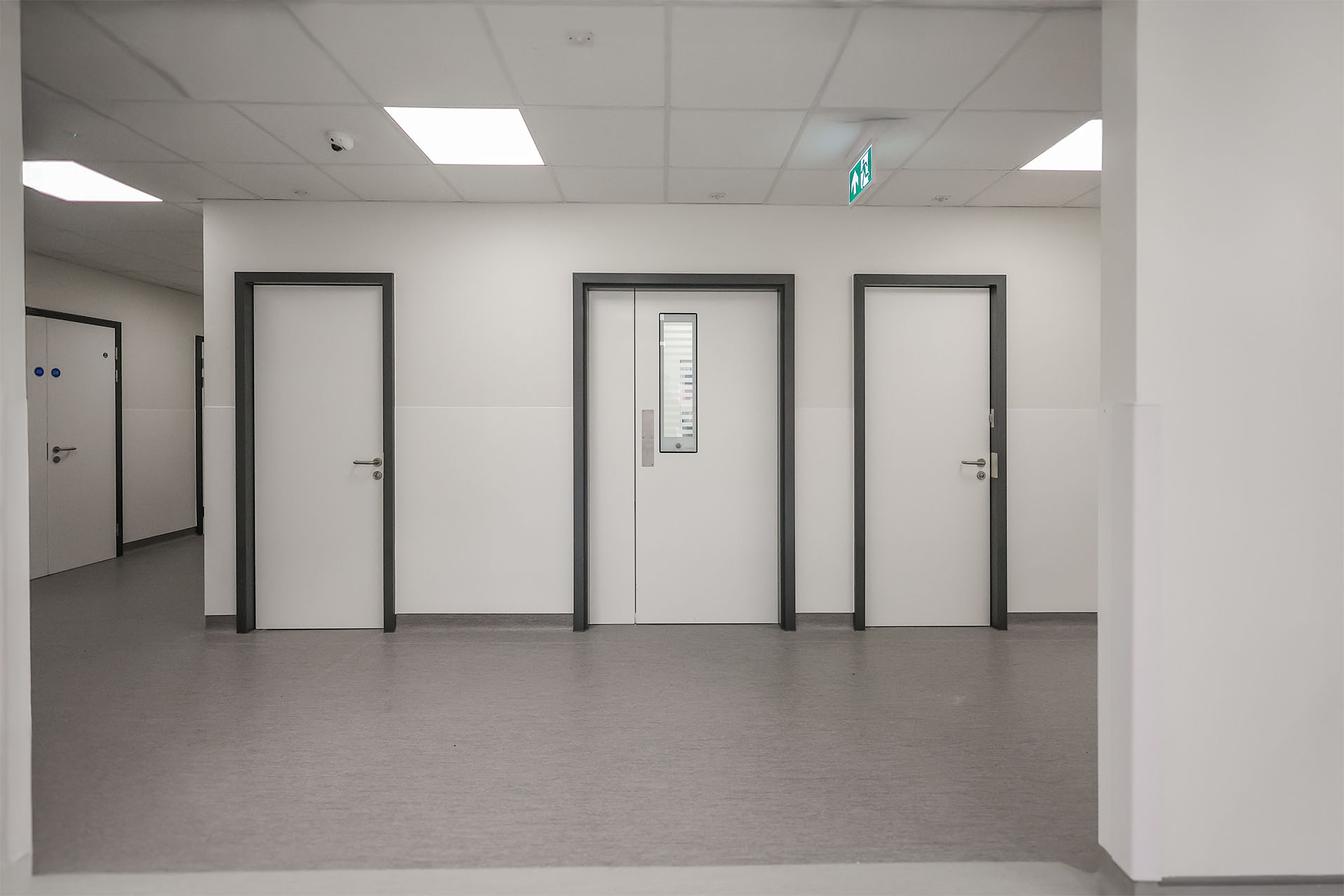
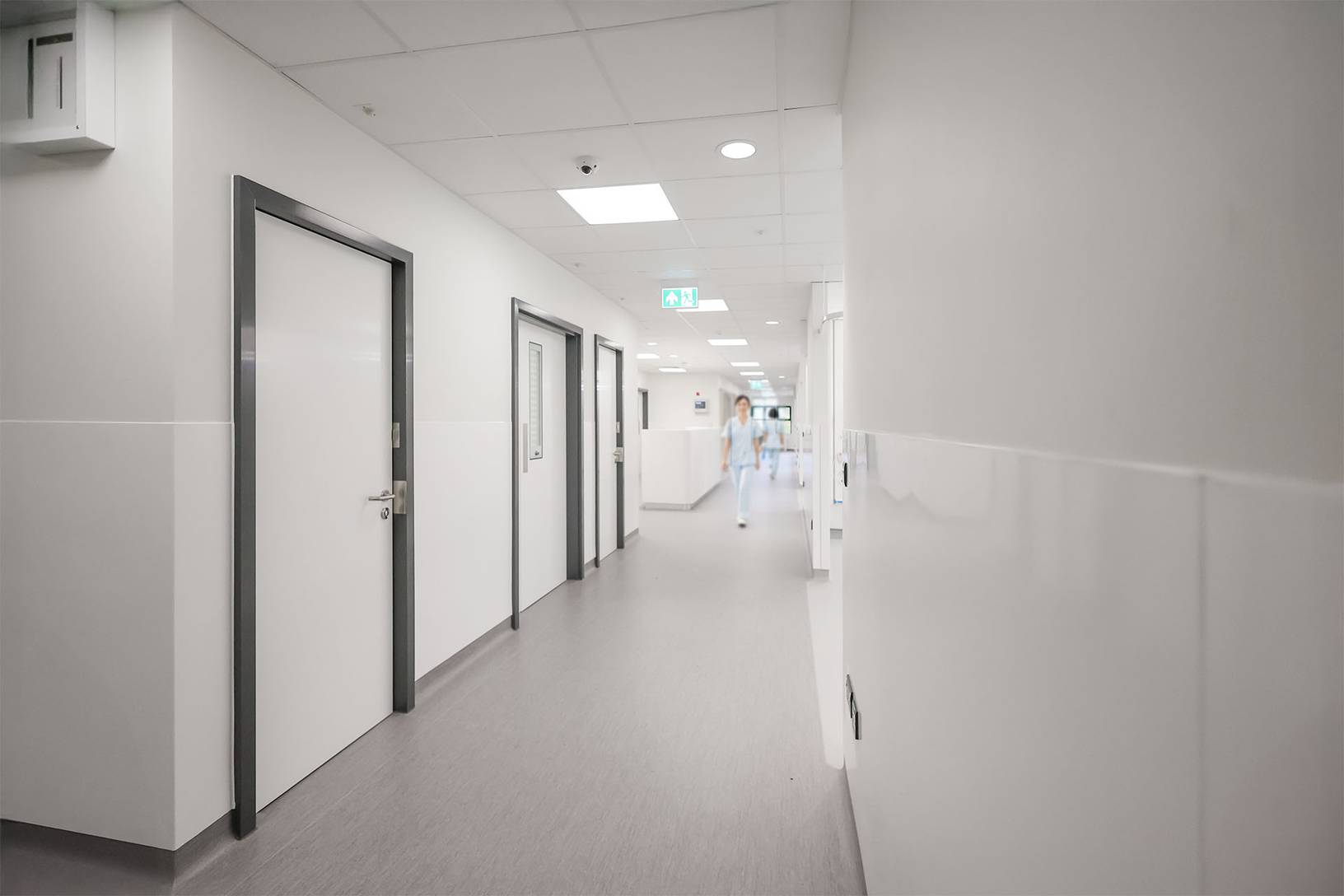
Infection prevention
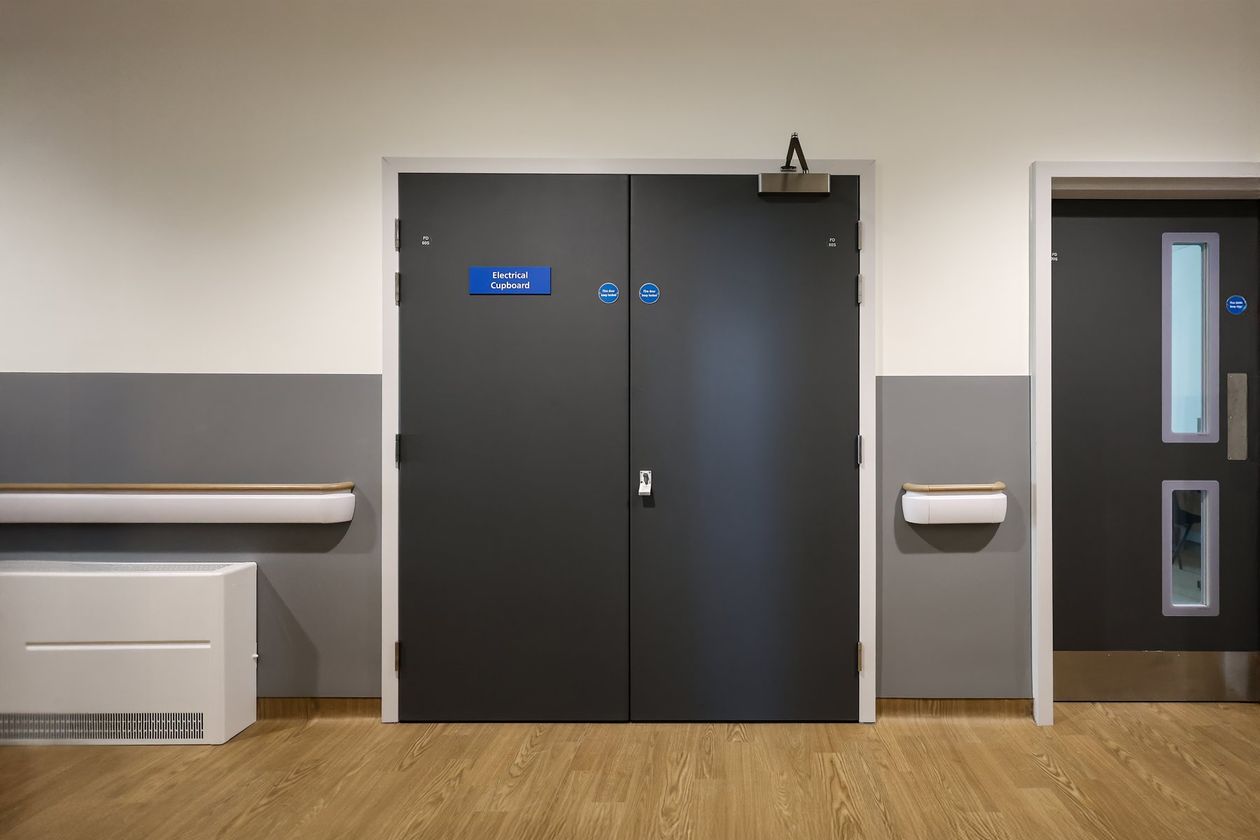
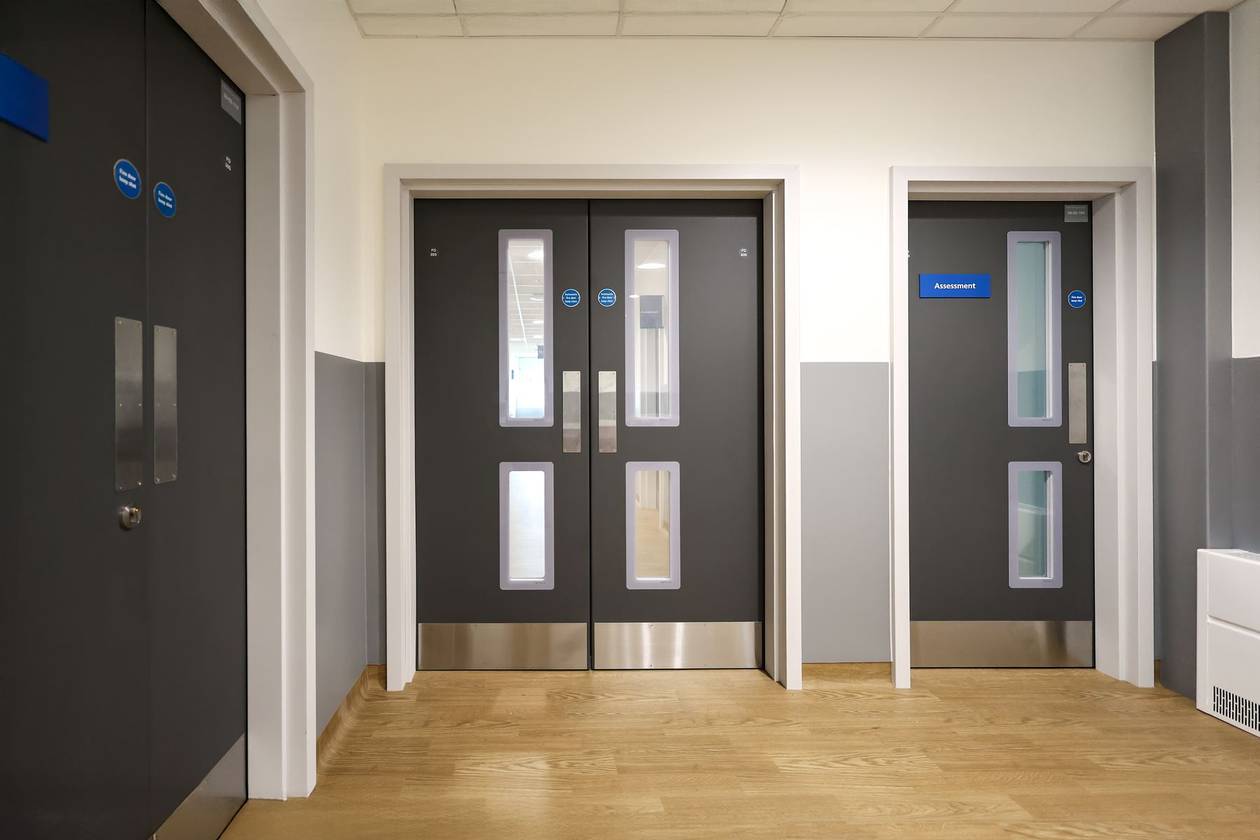
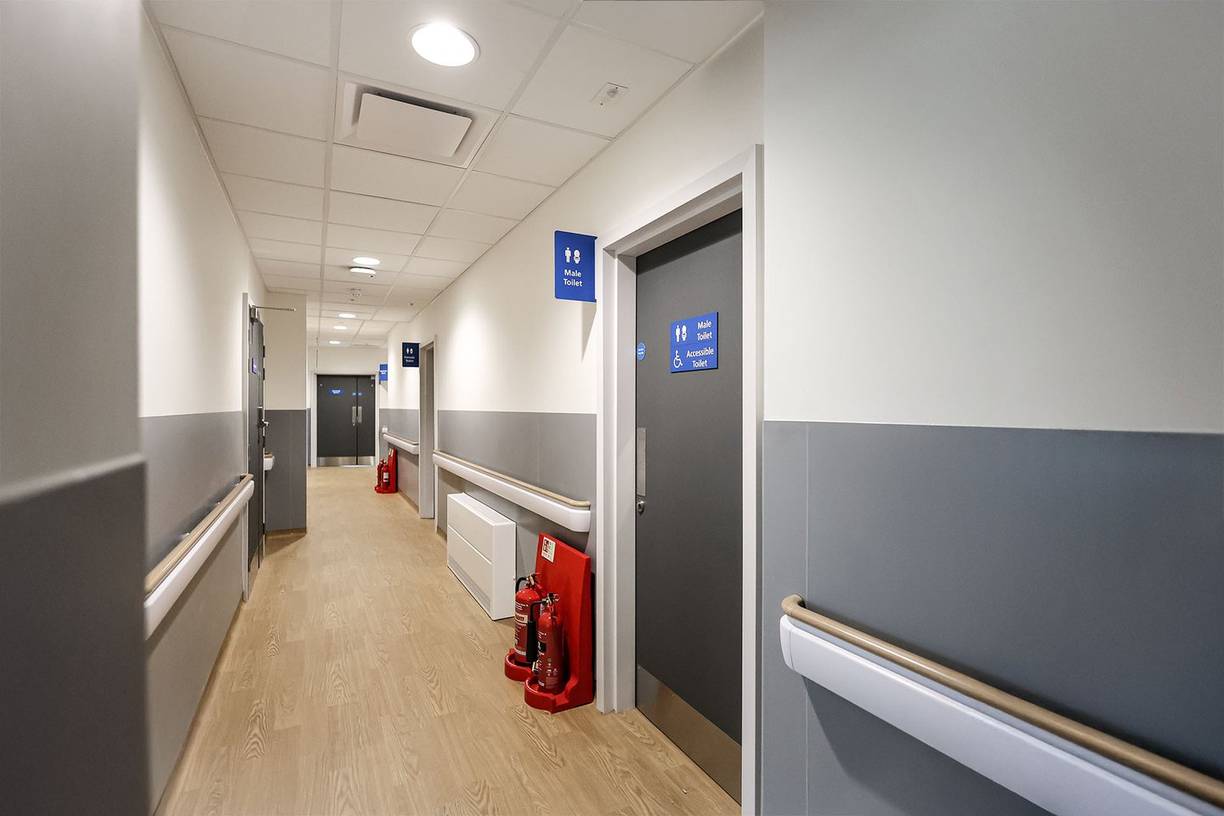
Hygidoor is engineered to support infection prevention in demanding healthcare environments, combining hygienic materials, flush detailing and robust construction for safer, easier-to-clean door solutions.
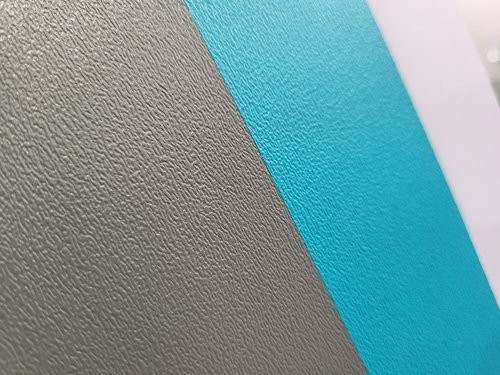
Hygienic PVC finish
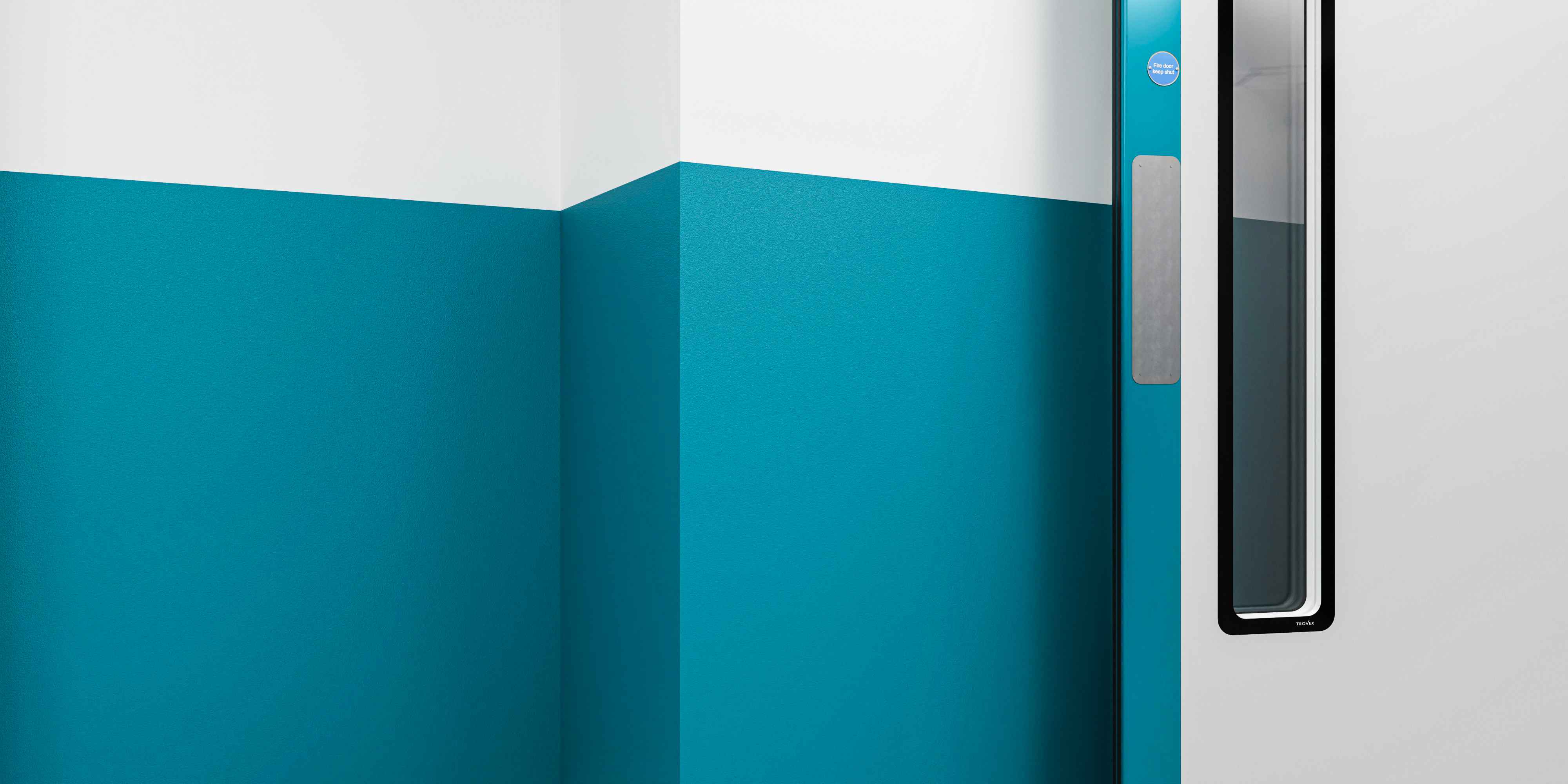
Hygidoor is wrapped in hardwearing, hygienic PVC to support infection control. PVC finishes can be specified independently on the door leaf, frame and leading edge to suit clinical environments.
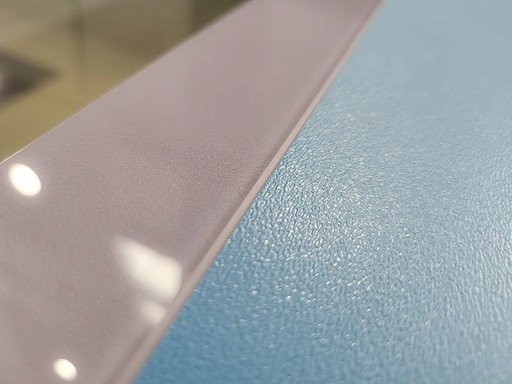
Flush vision panels
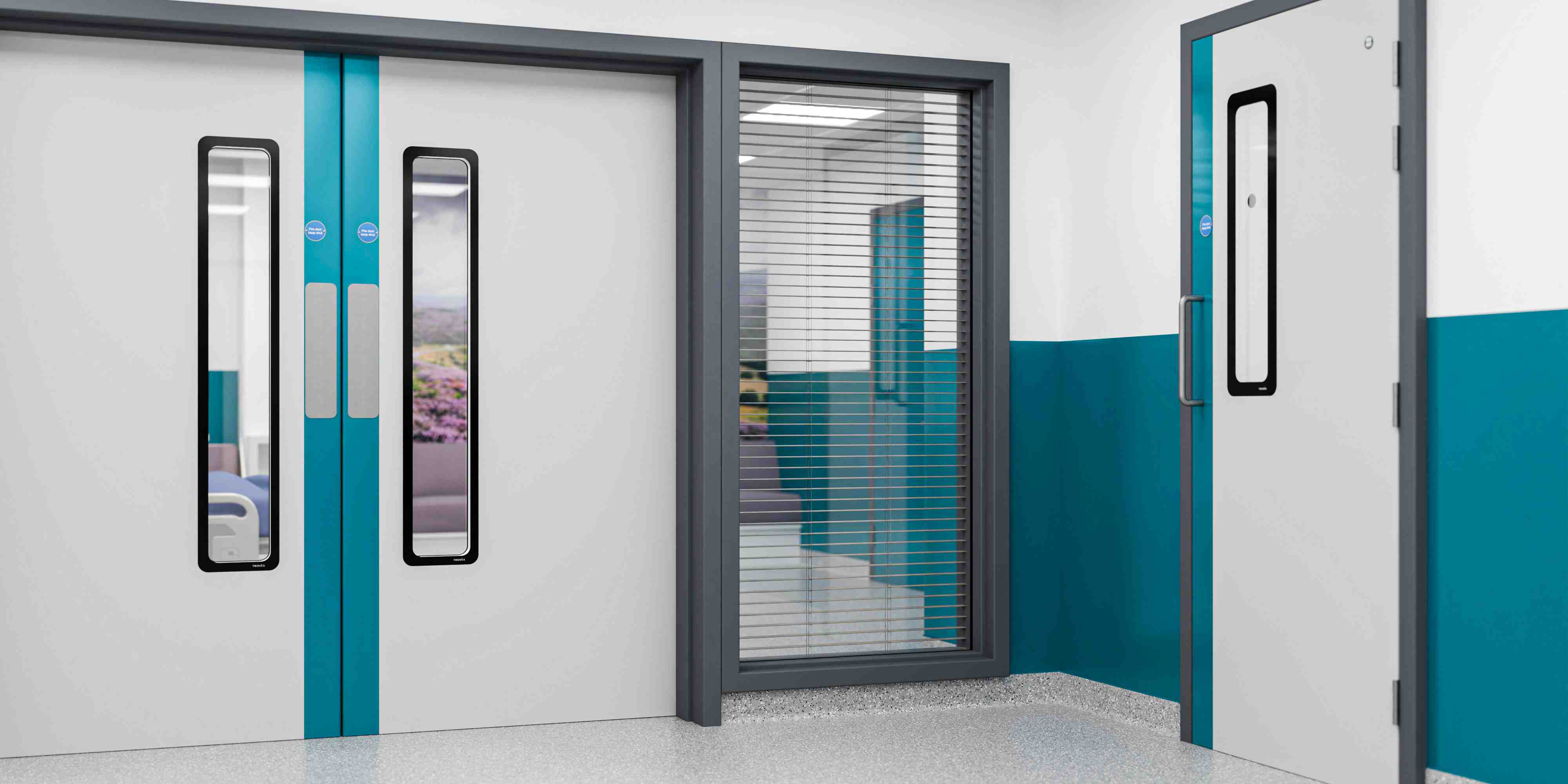
Flush-fitted, triple-glazed vision panels improve cleanability while enhancing impact resistance. The smooth surface reduces dirt traps and supports effective infection prevention.
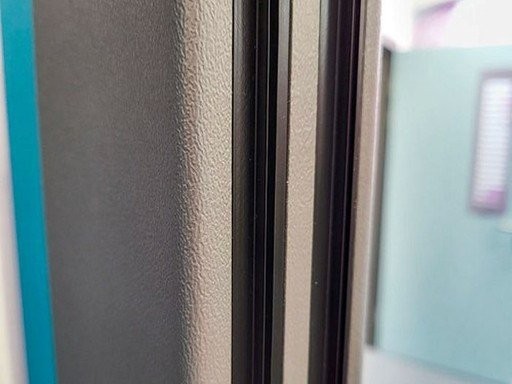
Hygienic door edges
Door edges are fully thermoformed using the same hygienic PVC, increasing durability while eliminating joints that could harbour bacteria in healthcare settings.
Frequently asked questions
Frequently asked questions
Hygidoor is Trovex's fire-rated PVC door and frame system engineered for rapid installation in NHS facilities whilst adhering to infection control protocols. The system combines fire safety certification with hygienic PVC wrapping designed to simplify cleaning in healthcare environments.
Available in FD30 and FD60 fire-rated configurations, Hygidoor provides certified fire resistance for 30 or 60 minutes respectively. Both ratings utilise fire-tested, high-density particleboard cores for structural integrity, complemented by triple-glazed vision panels incorporating fire-resistant centres. All doors feature third-party certification confirming compliance with UK fire safety standards. Each Hygidoor features hygienic PVC wrapping with recessed vision panels eliminating crevices where pathogens accumulate. The product line offers 45+ colour options with multiple configurations including single-action, double-action, and slide-action mechanisms.
The primary difference between FD30 and FD60 fire doors is the fire resistance duration: FD30 doors provide 30 minutes of fire protection, whilst FD60 doors provide 60 minutes. FD60 doors feature heavier-duty construction, denser core materials, and more robust fire-rated components to withstand double the fire exposure time.
FD60 fire doors use thicker, more densely compressed particleboard cores with enhanced fire-resistant properties compared to FD30 specifications. The increased thickness and density require heavier-duty hinges and mounting hardware capable of supporting the additional load over extended operational life. Fire-rated glazing in FD60 doors typically incorporates additional layers compared to FD30 equivalents. Hygidoor offers both FD30 and FD60 configurations to meet different healthcare compartmentation requirements. The choice depends on building fire risk assessment, local building control requirements, and specific compartmentation strategies.
Fire door compliance in healthcare facilities requires installation with certified frames and hardware, appropriate fire-rated glazing, self-closing mechanisms, intumescent seals preventing smoke penetration, and regular inspection per UK fire safety regulations. Third-party certification is not strictly a legal requirement, but most NHS trusts insist on it. Hygidoor systems incorporate all certified components in pre-assembled door sets with third-party certification.
Compliance elements include fire-tested door leaf with certified core construction, fire-rated frame properly installed and fixed to structural walls, fire-rated hinges supporting door weight, intumescent seals expanding when exposed to heat to prevent smoke spread, self-closing devices ensuring doors return to closed position, fire-rated glazing if vision panels are included, gap tolerances maintained below 4mm around door edges, and certification labels permanently affixed. Healthcare facilities require additional infection control considerations including wipe-clean surfaces and minimal crevices. Hygidoor's PVC wrapping provides smooth, non-porous surfaces cleanable with hospital-grade disinfectants whilst maintaining fire certification.
A glazed fire door is a fire-rated door incorporating vision panels or windows made from fire-resistant glass, allowing visual transparency whilst maintaining fire protection. The glazing must be fire-rated to the same standard as the door leaf, tested and certified as part of the complete door assembly.
Fire-rated glazing uses specialist glass or composite materials that prevent fire penetration for the certified duration. Hygidoor incorporates triple-glazed vision panels with fire-resistant centres, maintaining transparency whilst achieving FD30 or FD60 certification. The glazing typically comprises layers of intumescent material that expand when exposed to heat, creating an insulating barrier preventing fire spread through the glass area. Glazed fire doors serve multiple functions in healthcare settings: enabling staff to view into rooms before entering, improving patient observation without compromising privacy, increasing natural light penetration improving ward ambience, and maintaining sightlines for wayfinding and security.
Legal requirements for fire doors in hospitals include compliance with Building Regulations Part B (fire safety), installation of appropriate fire-rated doors per fire risk assessment, maintenance of self-closing mechanisms, regular inspection and testing, staff training on fire door importance, and enforcement of policies preventing wedging doors open. Fire doors are compulsory in healthcare premises.
Specific requirements encompass fire risk assessment identifying required door locations and ratings, installation of certified fire doors meeting FD30 or FD60 standards, fire-rated frames and hardware installed per manufacturer instructions, intumescent seals and smoke seals preventing fire and smoke spread, self-closing devices ensuring doors return to latched position, vision panels using fire-rated glazing where required, certification labels maintained throughout door life, gap tolerances below 4mm maintained around edges, and regular inspection schedules documenting door condition. The Regulatory Reform (Fire Safety) Order 2005 places responsibility on the "responsible person" to ensure fire safety measures are maintained.
Hygidoor is Trovex's fire-rated PVC door and frame system engineered for rapid installation in NHS facilities whilst adhering to infection control protocols. The system combines fire safety certification with hygienic PVC wrapping designed to simplify cleaning in healthcare environments.
Available in FD30 and FD60 fire-rated configurations, Hygidoor provides certified fire resistance for 30 or 60 minutes respectively. Both ratings utilise fire-tested, high-density particleboard cores for structural integrity, complemented by triple-glazed vision panels incorporating fire-resistant centres. All doors feature third-party certification confirming compliance with UK fire safety standards. Each Hygidoor features hygienic PVC wrapping with recessed vision panels eliminating crevices where pathogens accumulate. The product line offers 45+ colour options with multiple configurations including single-action, double-action, and slide-action mechanisms.
The primary difference between FD30 and FD60 fire doors is the fire resistance duration: FD30 doors provide 30 minutes of fire protection, whilst FD60 doors provide 60 minutes. FD60 doors feature heavier-duty construction, denser core materials, and more robust fire-rated components to withstand double the fire exposure time.
FD60 fire doors use thicker, more densely compressed particleboard cores with enhanced fire-resistant properties compared to FD30 specifications. The increased thickness and density require heavier-duty hinges and mounting hardware capable of supporting the additional load over extended operational life. Fire-rated glazing in FD60 doors typically incorporates additional layers compared to FD30 equivalents. Hygidoor offers both FD30 and FD60 configurations to meet different healthcare compartmentation requirements. The choice depends on building fire risk assessment, local building control requirements, and specific compartmentation strategies.
Fire door compliance in healthcare facilities requires installation with certified frames and hardware, appropriate fire-rated glazing, self-closing mechanisms, intumescent seals preventing smoke penetration, and regular inspection per UK fire safety regulations. Third-party certification is not strictly a legal requirement, but most NHS trusts insist on it. Hygidoor systems incorporate all certified components in pre-assembled door sets with third-party certification.
Compliance elements include fire-tested door leaf with certified core construction, fire-rated frame properly installed and fixed to structural walls, fire-rated hinges supporting door weight, intumescent seals expanding when exposed to heat to prevent smoke spread, self-closing devices ensuring doors return to closed position, fire-rated glazing if vision panels are included, gap tolerances maintained below 4mm around door edges, and certification labels permanently affixed. Healthcare facilities require additional infection control considerations including wipe-clean surfaces and minimal crevices. Hygidoor's PVC wrapping provides smooth, non-porous surfaces cleanable with hospital-grade disinfectants whilst maintaining fire certification.
A glazed fire door is a fire-rated door incorporating vision panels or windows made from fire-resistant glass, allowing visual transparency whilst maintaining fire protection. The glazing must be fire-rated to the same standard as the door leaf, tested and certified as part of the complete door assembly.
Fire-rated glazing uses specialist glass or composite materials that prevent fire penetration for the certified duration. Hygidoor incorporates triple-glazed vision panels with fire-resistant centres, maintaining transparency whilst achieving FD30 or FD60 certification. The glazing typically comprises layers of intumescent material that expand when exposed to heat, creating an insulating barrier preventing fire spread through the glass area. Glazed fire doors serve multiple functions in healthcare settings: enabling staff to view into rooms before entering, improving patient observation without compromising privacy, increasing natural light penetration improving ward ambience, and maintaining sightlines for wayfinding and security.
Legal requirements for fire doors in hospitals include compliance with Building Regulations Part B (fire safety), installation of appropriate fire-rated doors per fire risk assessment, maintenance of self-closing mechanisms, regular inspection and testing, staff training on fire door importance, and enforcement of policies preventing wedging doors open. Fire doors are compulsory in healthcare premises.
Specific requirements encompass fire risk assessment identifying required door locations and ratings, installation of certified fire doors meeting FD30 or FD60 standards, fire-rated frames and hardware installed per manufacturer instructions, intumescent seals and smoke seals preventing fire and smoke spread, self-closing devices ensuring doors return to latched position, vision panels using fire-rated glazing where required, certification labels maintained throughout door life, gap tolerances below 4mm maintained around edges, and regular inspection schedules documenting door condition. The Regulatory Reform (Fire Safety) Order 2005 places responsibility on the "responsible person" to ensure fire safety measures are maintained.